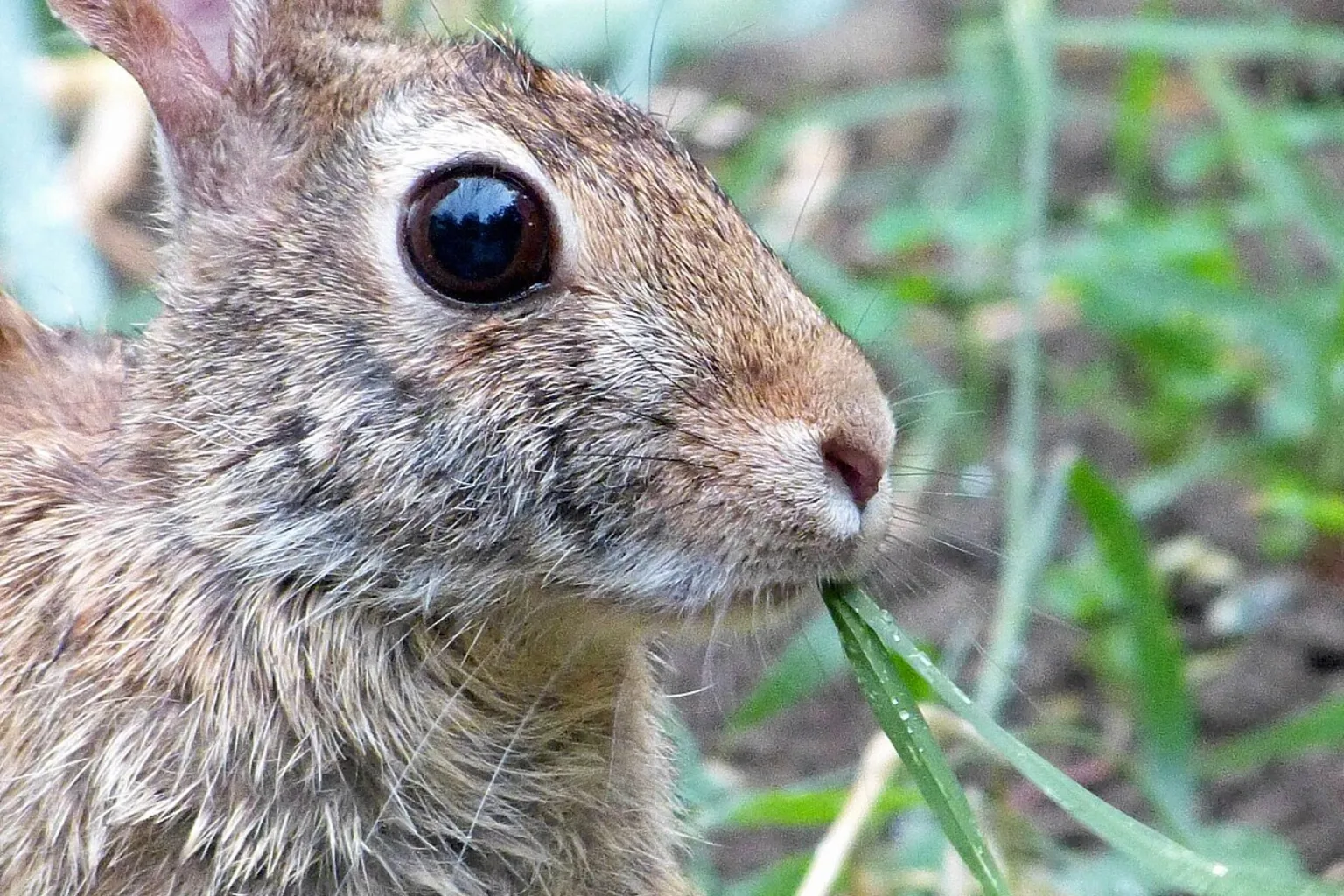
The short answer
If you take away one rule: adult pet rabbits need unlimited fresh grass hay, whatever type you choose. Timothy, orchard grass, meadow, and oat hay all do the same core jobs — grinding down teeth, keeping the gut moving, and feeding the cecum the fiber it runs on. The best hay for your rabbit is a fresh, sweet-smelling grass hay it actually eats in quantity.
Where owners go wrong is not usually the type. It is the quantity (a small rack topped up occasionally instead of a pile the size of the rabbit), the freshness (brown, dusty bales bought cheap), or the substitute (colorful muesli mixes standing in for long strands). Get those three right and your hay choice is already doing its job.
Three quick rulings before the details:
- Healthy adults: any grass hay — timothy is the common default, and variety helps.
- Kits, nursing mothers, and frail or elderly rabbits: alfalfa can have a role, but it is a legume, not a grass — a different food with different numbers.
- Picky eaters: mix hays rather than switching brand-to-brand chasing a favorite.
What hay actually does for a rabbit
Rabbits evolved as grazing herbivores, and hay is the closest thing to the diet their bodies expect. The House Rabbit Society's diet guidance puts hay at about 80–85% of an adult rabbit's daily diet, and UK veterinary charity PDSA frames the daily minimum just as clearly: at least a bundle as big as the rabbit, every day.
What that fiber actually does, in plain terms:
- Keeps the gut moving. The cecum — the fermentation chamber where rabbits digest fiber — depends on a steady supply. Long-strand hay keeps the whole system working; a hay-poor diet is the single most common upstream cause of GI stasis.
- Wears the teeth. Rabbit teeth grow continuously. The side-to-side grinding that happens while chewing hay is what keeps molars from overgrowing — overgrown molar disease is one of the most common problems vets record in pet rabbits.
- Moves fur through. Swallowed coat hair travels through the gut safely when fiber keeps everything moving. This matters most during molts, which is why hay intake and shedding season get discussed together.
- Fills the day. Grazing is a natural behavior. A rabbit with hay to work through spends hours doing what rabbits are built to do, which is behavior support as much as nutrition.
If you want the wider diet picture around hay — greens, pellets, treats — the beginner diet guide covers the full plate, and the House Rabbit Society's adult diet summary is a good one-screen reference.
Timothy vs orchard vs meadow vs oat
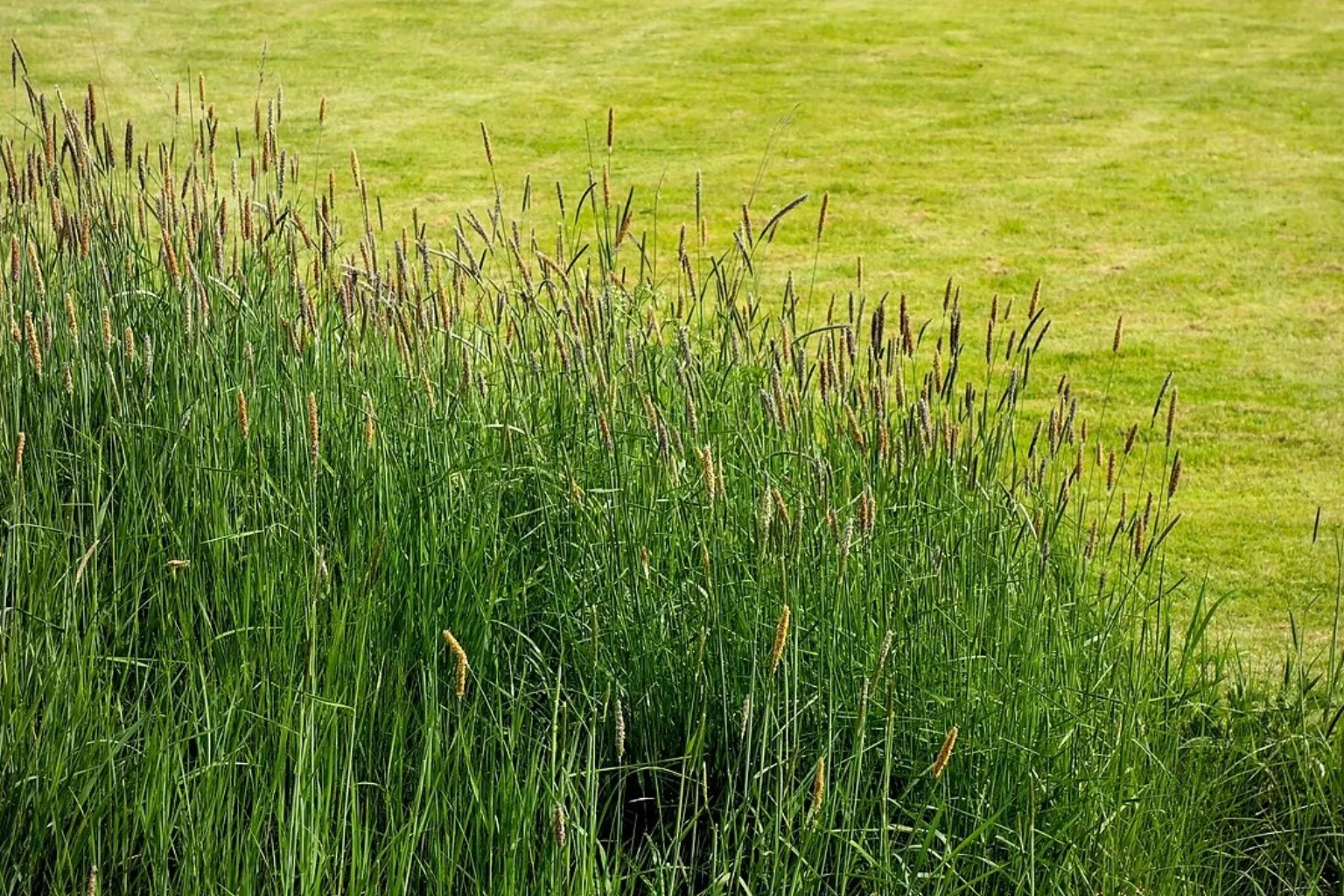
Grass hays differ in texture, richness, and how readily rabbits eat them. None of them is "wrong" for a healthy adult — but they suit different situations:
| Hay | What it is | Character | Best for | Watch-outs |
|---|---|---|---|---|
| Timothy | Cool-season grass hay | The benchmark: crisp, coarse strands, lower protein and calcium than legumes | The everyday default for adult rabbits | Can be dusty if stored badly — shake a handful and check |
| Orchard grass | Grass hay, softer than timothy | Sweeter smell, softer texture; often the picky-eater winner | Rabbits that turn their nose up at coarse hay; mixed-feed setups | Slightly richer than timothy — still a grass hay, still fine as the base |
| Meadow / mixed | Blend of grasses and herbs from a meadow cut | Variables by field and season; variety in every bale | Building tolerance to texture and smell changes | Quality is inconsistent batch to batch — inspect each bale |
| Oat | Grass hay with grain-like seed heads | Richer; rabbits often love the seed heads | Mix-ins for underweight or very active rabbits; tempting a sick rabbit to eat | Too rich as the only hay for rabbits prone to weight gain |
| Alfalfa | Legume, not a grass | High protein, high calcium, calorie-dense | Kits, nursing mothers, and some elderly or frail rabbits — on vet advice | Not for healthy adults; Rabbit.org flags it as too low in fiber and too calorie-dense for routine adult feeding |
Rabbit.org's diet team recommends mixing timothy with other grass hays for adults, and notes a useful side effect of variety: rabbits fed several hays stop treating every change as suspicious, which makes the whole rotation easier to manage.
Match the hay to the rabbit with a second pass:
| Rabbit | Suggested hay | Why |
|---|---|---|
| Healthy adult, 1–5 years | Timothy or orchard, unlimited | Lower calories and calcium; fiber comes first |
| Growing kit (under ~7 months) | Alfalfa alongside grass hay | Higher protein and calcium needs while growing |
| Picky eater | Orchard + meadow mix | Softer strands and variety reduce refusals |
| Senior or underweight rabbit | Grass hay base + oat as a mix-in | Extra richness helps maintain weight — check with your vet |
| Overweight rabbit | Timothy, unlimited; no oat heads | Maximum chewing time, minimum extra calories |
Choosing, storing, and judging hay
Hay is an agricultural product, not a packaged snack, so quality varies batch to batch. Judge it with your senses before you judge the price:
- Smell: fresh hay smells sweet and grassy. A musty or dusty smell can mean mold — do not feed it.
- Color: green-to-golden strands. Very brown, bleached hay has lost nutrients.
- Structure: long strands. The crunch of long fiber is the whole point — short chopped hay works the teeth less.
- Cleanliness: shake a handful. A little dust is normal; clouds of dust or visible mold are not.
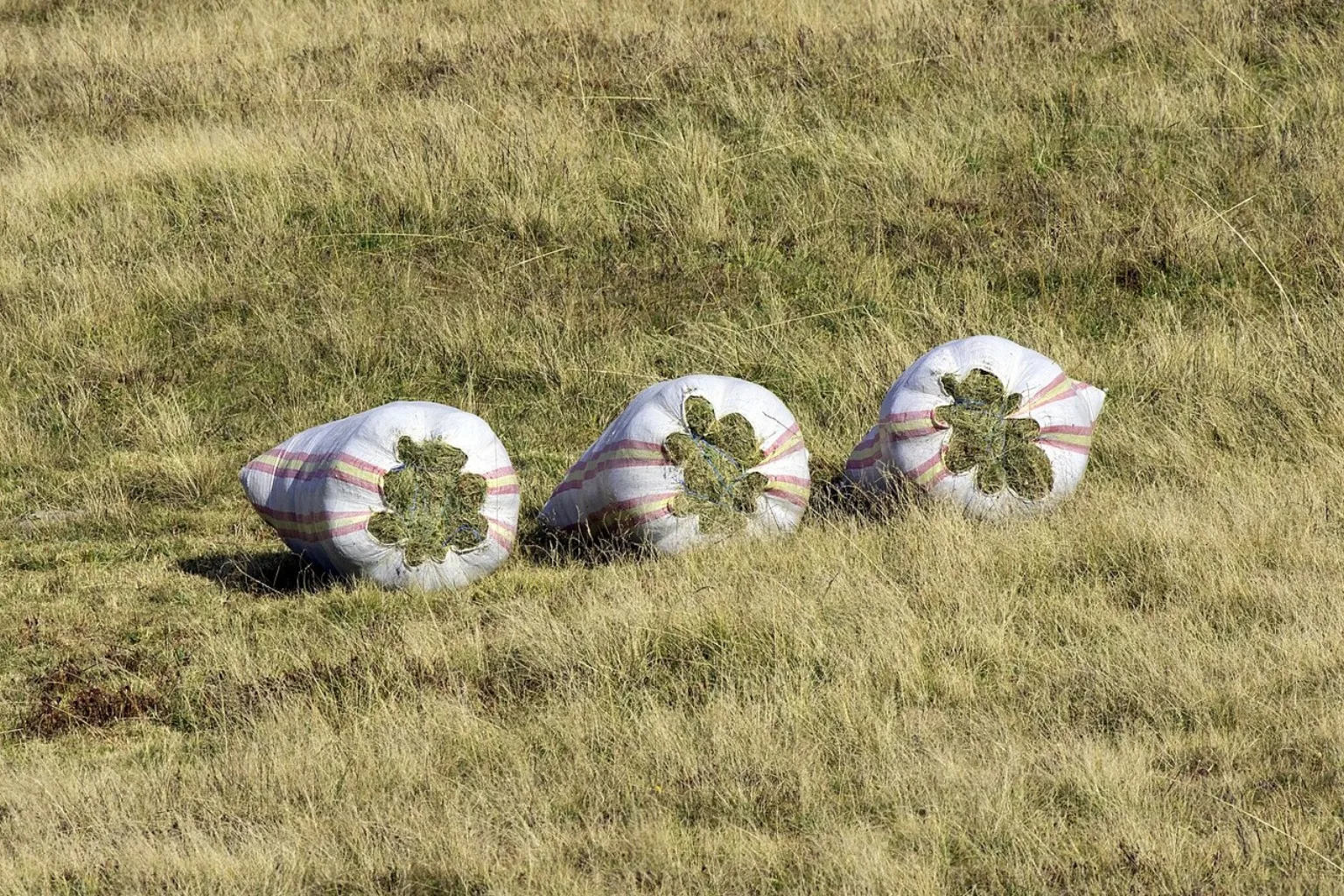
On storage: keep hay dry, ventilated, and out of direct light. A breathable bag or box beats sealing it in plastic, which traps moisture and invites mold. Buy in the size you can use in a few weeks — hay quality fades over months, and hay is also a real line in the monthly cost of a rabbit, so bulk-buying only pays if the hay stays good.
Switching hays without upset
Rabbits have sensitive guts and strong habits. A hay change is a diet change, so run it like one:
- Mix, don't swap. Offer the new hay alongside the old for several days, increasing the ratio as your rabbit accepts it.
- Keep everything else steady. Do not change pellets, greens, or routine in the same week — one variable at a time is how you can tell what caused a reaction.
- Watch droppings and appetite. A few days of slightly softer droppings is common during any diet shift; refusing the new hay entirely or stopping eating is not — that is a pause-and-reassess signal, and the same rules as introducing new greens apply.
- Use the refusal as information. If your rabbit consistently rejects a batch but eats another, trust the rabbit — some bales are just stale. Try a different supplier before assuming your rabbit is difficult.
One more switching note: if your rabbit currently eats a muesli-style mix and little hay, the fix is not an overnight hay swap — it is the gradual transition covered in moving a rabbit to a healthier diet, where hay takes over the center of the plate over a couple of weeks.
Hay habits that make the difference
The difference between "gets hay" and "eats enough hay" is mostly routine. The habits that hold up:
- Unlimited, refreshed daily. Top up morning and evening; replace hay that has been slept on or soiled. The pile should be at least the size of the rabbit.
- Put hay where rabbits toilet. Rabbits graze while they poop — hay at the litter box is eaten in far greater quantity than hay in a distant corner rack.
- Multiple stations. If two rabbits share a home, give each its own hay pile to avoid resource guarding.
- Check the bottom of the pile. Rabbits dig to the fresh strands; yesterday's rejected hay still needs clearing out.
- Weigh the habit monthly. A quick check that the rabbit and the hay supply are both moving in the right direction — the Rabbit Diet Planner turns weight and life stage into daily hay, pellet, and greens targets.
- Track what your rabbit can eat. Before offering anything alongside the hay, check it against the safe foods library — hay is the base, everything else is a measured addition.
Feed it fresh, feed it unlimited, and let variety do the rest: a rabbit that eats its hay is getting the cheapest, most effective health care there is.
Related resources

Diet & Nutrition
Can Rabbits Eat Banana? Servings, Peels, and Risks
How much banana is safe, why the peel comes off, and how this sugary treat fits a hay-first diet — with vet-sourced portion tables.

Diet & Nutrition
Can Rabbits Eat Tomatoes? Leaves, Green Parts, and Safe Amounts
Ripe fruit only, in tiny amounts — leaves, stems, and unripe tomatoes are not safe. Portions, first-feeding steps, and vet-source links.
Diet & Nutrition
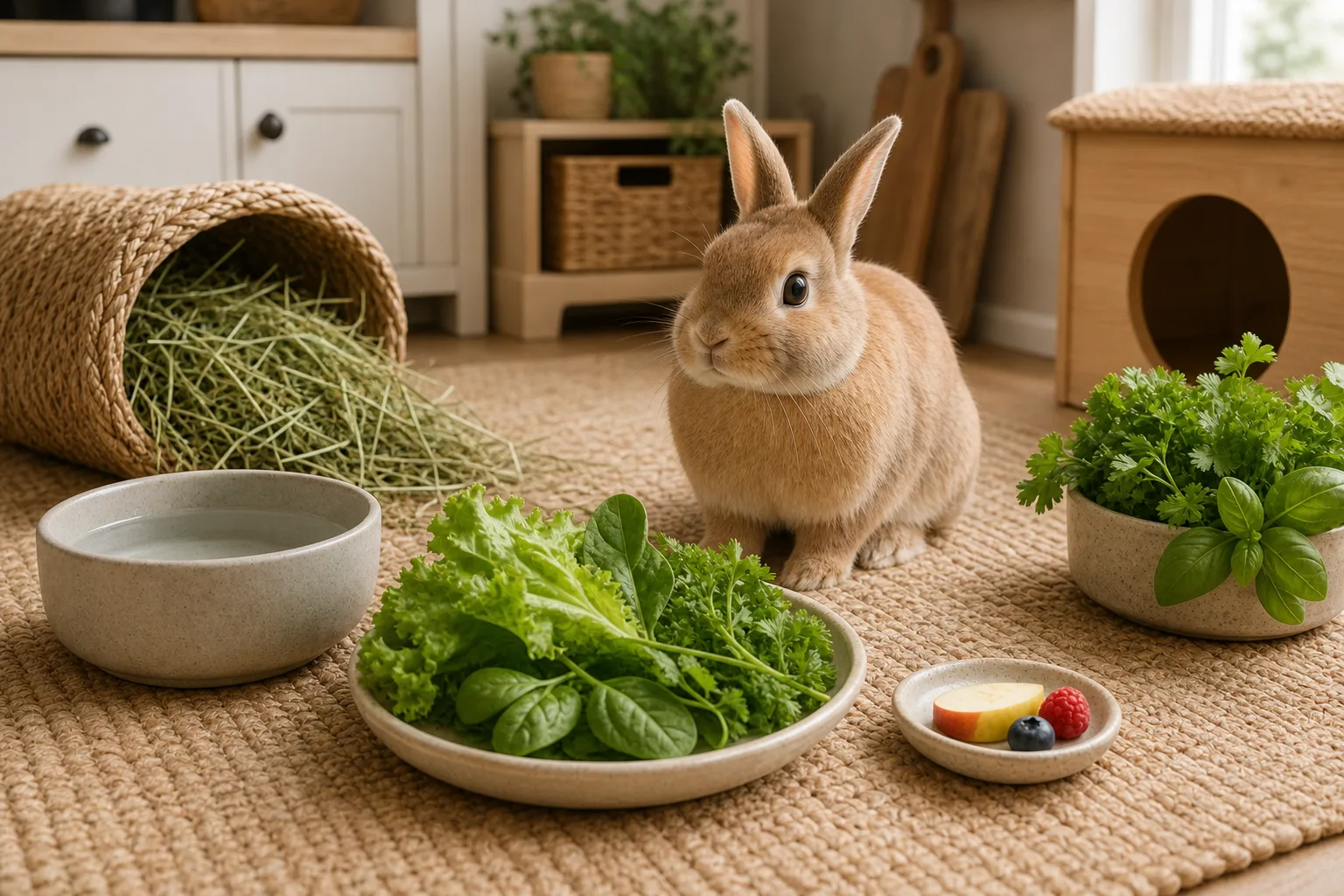
What Do Rabbits Eat? A Calm Beginner Diet Guide
Learn the hay-first diet, safe greens, measured pellets, treat limits, and feeding mistakes beginners should avoid.
Diet & Nutrition
How to Introduce New Greens Without Upsetting Digestion
Use a slow, observable process for adding herbs and leafy vegetables to a rabbit diet.