The short answer
Budget for a rabbit like a small ongoing commitment, not a one-off purchase. UK cost guidance from MoneyHelper puts the average cost of keeping a single rabbit at roughly £900–£1,500 a year, and the Rabbit Welfare Association & Fund's lifetime estimate for a properly cared-for pair of rabbits is over £11,550 across a ten-year lifespan. Whatever your currency, the shape of the budget is the same everywhere: modest recurring food costs, a genuine startup outlay, and a vet line item that can be small one year and enormous the next.
Two figures decide whether your rabbit budget works: hay consumption (the biggest recurring food cost) and your emergency buffer (the difference between a treatable illness and a crisis). Everything else is noise by comparison.
This guide breaks the numbers down into startup, monthly, and yearly, then shows how to keep each one under control — and you can run your own version in the Monthly Rabbit Cost Estimator at any point.
Startup costs
The first month is the expensive one: housing and equipment land all at once, before any recurring costs arrive.
| Item | Typical range | Notes |
|---|---|---|
| Adoption / purchase | £25–£60 (rescue, often neutered & vaccinated) · £15–£55 (pet shop) · £50–£100+ (breeder) | Rescue rabbits usually arrive already neutered and health-checked — often cheaper overall than "free" rabbits |
| Housing (hutch, pen, or room setup) | £60–£300 | An indoor exercise-pen setup on existing flooring is far cheaper than a bought hutch — and better for the rabbit |
| Bowls, litter tray, carrier, water bottle/bowl | ~£50 | Heavy ceramic bowls and a proper carrier are buy-once items |
| Spay / neuter | £80–£250 per rabbit | Essential if rabbits live together; a major health investment for females in particular |
| First vet check + baseline | Consult fee | Get a healthy starting point on record — see vet care basics |
| Initial hay, pellets, greens, litter | £30–£50 | First weeks of consumables |
Realistic startup total for one rabbit: roughly £250–£700, depending mostly on how much housing you buy and whether neutering is already done by the rescue. The cheapest possible setup is a false economy if it means replacing a tiny cage within months — the housing setup guide covers what actually needs to be in the budget.
Ongoing monthly and yearly costs
Recurring costs are smaller than the startup shock, but they never stop — over a ten-year lifespan they dwarf everything else.
| Line item | Typical cost | What drives it |
|---|---|---|
| Hay | £10–£20 per month | Rabbit size and hay quality; bulk bales cut cost per pound sharply — see choosing hay |
| Pellets | ~£50 per year | Small measured portions; brand matters less than fiber content |
| Fresh greens & veg | ~£20 per month | Home-grown herbs and supermarket odds-and-ends trim this |
| Treats | £50+ per year | Should be tiny by design — if this line grows, the diet is drifting |
| Litter & bedding | Varies | Wood pellets and paper litter are the budget staples |
| Yearly vet check | Consult fee per year | Cheapest insurance policy there is — catches dental problems early |
The food stack alone lands where MoneyHelper's total does: £400–£530+ per year for a single rabbit fed properly on hay, greens, and pellets. Note that this is the good-news part of the budget — it scales gently.
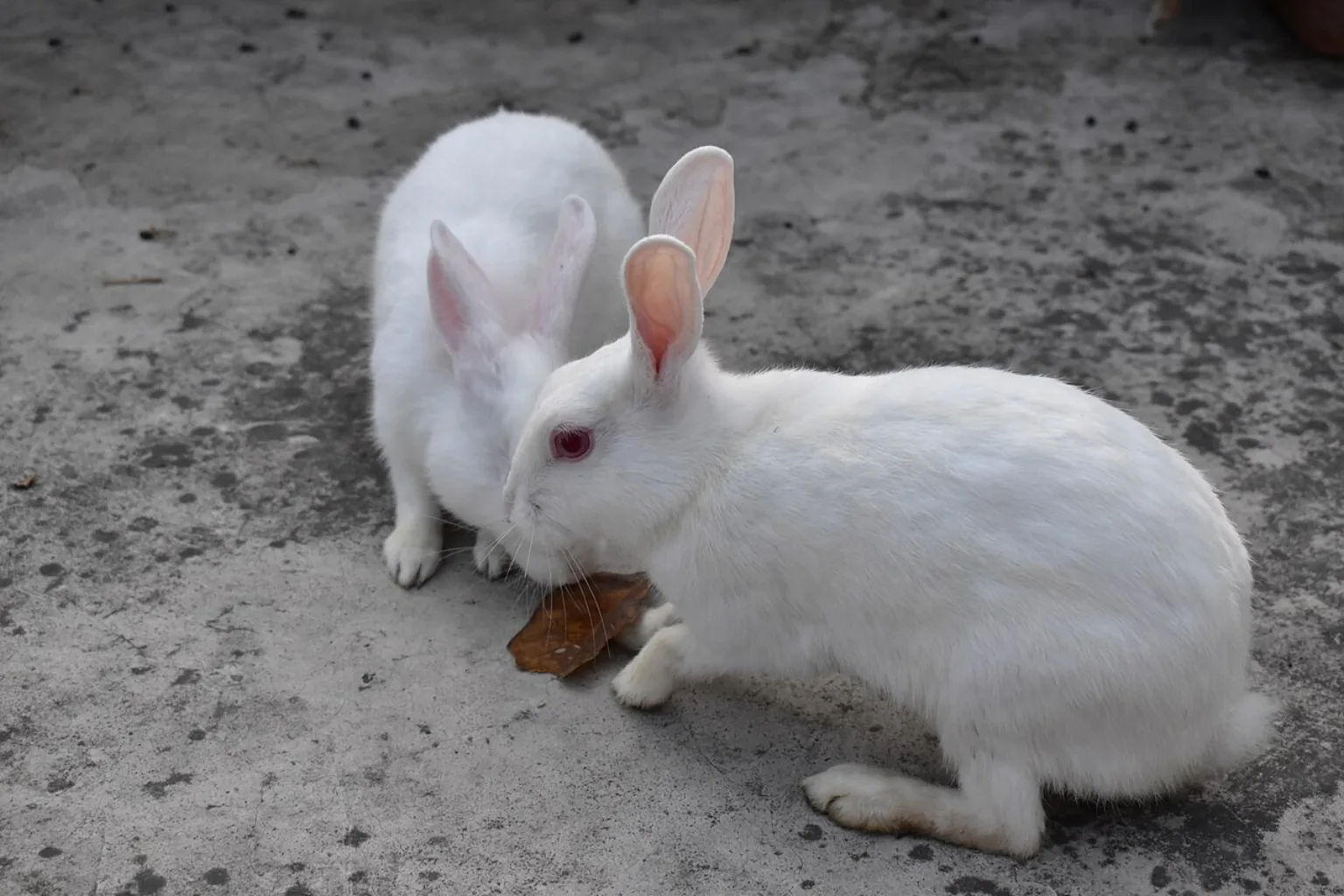
Hay is the line item worth optimizing first, because it is the largest recurring food cost and the one where buying strategy actually pays: a bulk bale from a farm store can cut the per-pound price of hay dramatically versus small pet-shop bags, as long as you can keep it dry and use it while it is fresh.
The vet line that dominates
Routine costs are predictable. Veterinary costs are not — and rabbits are masters of the sudden emergency. A single episode of GI stasis, a dental procedure under anaesthesia, or an overnight hospital stay can each cost more than a whole year of food.
Three planning moves, in order of impact:
- Open a dedicated vet fund. A standing monthly amount — even a modest one — turns an emergency into an inconvenience. This is the single highest-value line in the whole budget.
- Price insurance honestly. Rabbit insurance exists in many markets but exclusions and excesses vary; compare it against simply saving the same premium into the vet fund, and factor in that many insurers exclude dental disease — the most common rabbit problem.
- Prevent what is preventable. Hay-first feeding, weight tracking, and yearly dental checks are the cheapest veterinary interventions in rabbit care because they head off the expensive conditions. The Care Checklist builds them into the routine.
RWAF's lifetime figure — over £11,550 for two rabbits including setup — lands mostly on this part of the budget, and their point is blunt: rabbits are not a cheap children's pet, and the costs that surprise owners are almost always veterinary.
Budgeting like a pro
The habits that keep a rabbit budget honest, whether you keep one rabbit or a bonded pair:
- Budget for two if there are two. Blue Cross is explicit that rabbits need rabbit company — and MoneyHelper notes the costs "pretty much double" for a pair. Companionship is still the right call; it just needs to be in the numbers. See adopting two rabbits.
- Buy hay in bulk, store it dry. The largest recurring saving available. One bale beats ten bags.
- Skip the upsells. Muesli mixes, treat bars, and cage kits add cost and subtract health. Plain hay, quality pellets, and vegetables are the cheap winning stack.
- Sweat the setup once. Spending properly on housing and a carrier at the start prevents the replace-in-six-months cycle.
- Re-run your numbers yearly. Hay prices move, vet prices rise, and insurance quotes change. The cost estimator takes two minutes.
- Keep a small contingency for litter and toys. Not a budget breaker — but the extras add up if they are unplanned.

Finally, the anti-budget warning: cutting costs by cutting hay quality, skipping the spay, or delaying a vet visit is where a cheap rabbit year turns into an expensive one. The budget that works is the one that keeps the rabbit well — everything else is arithmetic. For the feeding side of that promise, start with the beginner diet guide; for the vet side, plan a rabbit-savvy vet before you need one.
Related resources
Rabbit Care Basics
Male vs Female Rabbits: Behavior, Health, and Which to Adopt
How male and female rabbits actually differ — hormones, health risks, lifespan data, and spay/neuter timing — and how to choose at adoption.
Rabbit Care Basics
New Rabbit Owner Checklist: The First 30 Days
A calm, practical first-month checklist for setting up your rabbit's space, diet, vet plan, and daily rhythm.
Rabbit Care Basics
Rabbit Breeds A-Z: All 53 ARBA Breeds With Sizes and Pet Notes
Every ARBA-recognized rabbit breed in one table with maximum weights and what each is known for, plus how to choose a breed for your home.
Rabbit Care Basics
Build a Daily Rabbit Care Routine That Catches Problems Early
Create a daily rhythm for feeding, cleaning, enrichment, observation, and gentle health checks.