Rabbit Care Basics

Rabbit Breeds A-Z: All 53 ARBA Breeds With Sizes and Pet Notes

Every ARBA-recognized rabbit breed in one table with maximum weights and what each is known for, plus how to choose a breed for your home.

By Pawsome Rabbits Editorial DeskLast updated 2026-05-07#beginner #housing #grooming
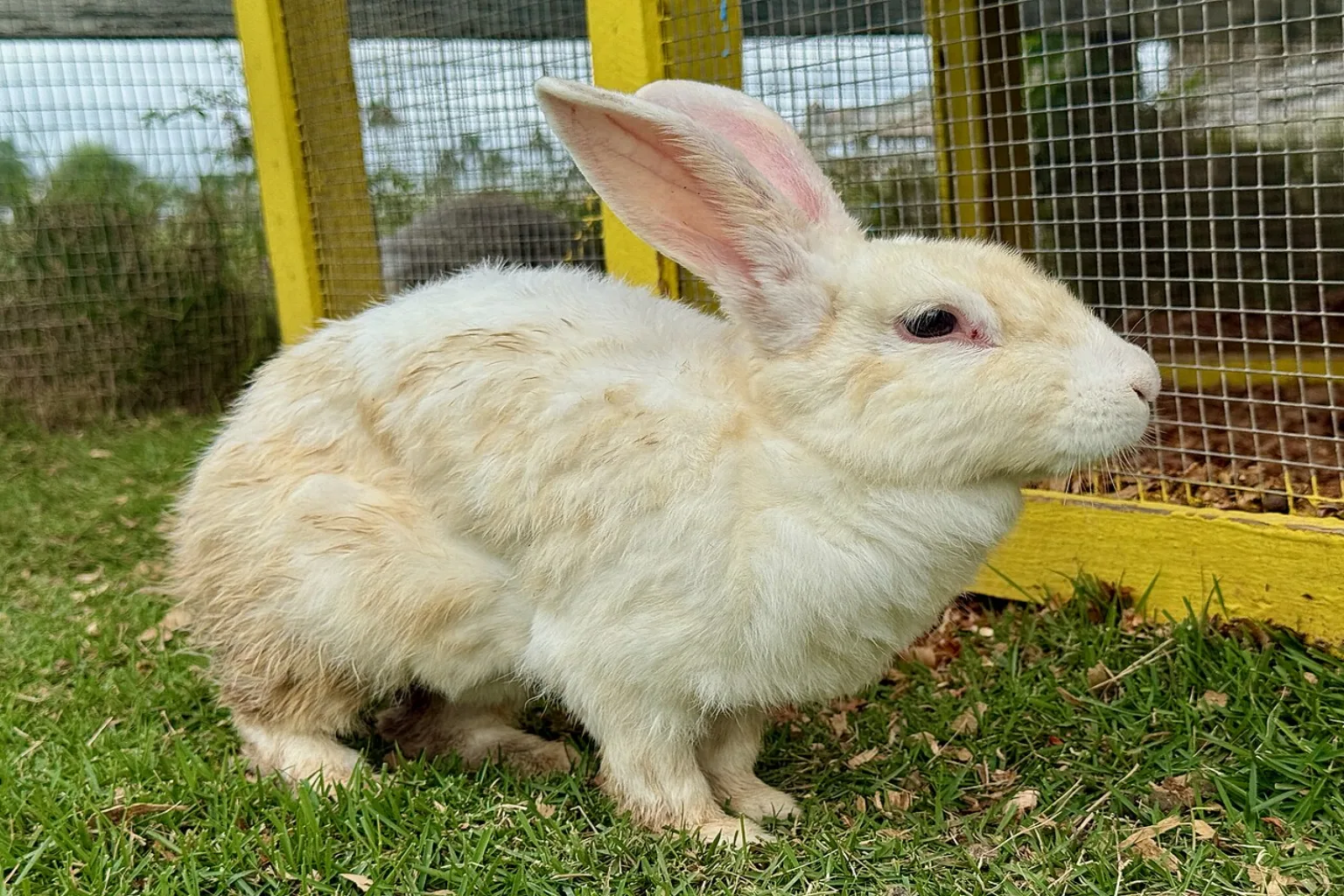
Rabbit Breeds A-Z: All 53 ARBA Breeds With Sizes and Pet Notes featured image.
Photo: Oleg Yunakov via Wikimedia Commons, CC BY-SA 4.0.

How many rabbit breeds are there?

The American Rabbit Breeders Association currently recognizes 53 rabbit breeds. Breed counts differ between countries and registries — the British Rabbit Council recognizes more — but ARBA's list is the standard reference for US and Canadian pet owners, and it is where most "A–Z" lists quietly start. This page is organized the way owners actually browse: by what the breed is like to live with, then the full A–Z table for reference.

Two notes before the table. First, "pet breed" is not an official category — any of the 53 can be a companion, and many show breeds were developed for meat, fur, or wool. What matters for a pet home is adult size, coat care, and temperament. Second, ARBA's own breed pages carry the authoritative standard for each; the table below is a starting map, not a judging guide.

All 53 ARBA-recognized breeds, A to Z

Maximum weights are from ARBA's published breed pages (show-standard maximums; pet rabbits often run lighter). A few entries lack a single published maximum on the source pages and are noted as such.

BreedMax weight (lbs)Known for
American12**[Visit the club website]( [**Find a Breeder**](
American Chinchilla12![]( Upon being shown by a British exhibitor at the New York State Fair in 1919 Chinchilla rabbits were sold to Edward H.
American Fuzzy Lop4![]( The American Fuzzy Lop became a recognized breed in 1989.
American Sable9![]( The American Sable is distinguished by its luxurious brown coat that shades from a dark sepia over the top to a lighter shade of sepia over the sides.
Argente Brun![]( Though there are six types of Argente rabbits, the ARBA recognizes only three: The Champagne, the Creme and the newest accepted Argente breed – the Brun.  With their dense, glossy, silky coat with a deep chocolate brown undercolor, the Argente Brun is a
Belgian Hare9.5![]( One of the oldest breeds of rabbits in America, the Belgian Hare can trace its roots back to the 1880s.  They were developed in the early part of the 18th century in Eastern Europe through selected breeding of wild and domestic rabbits.  The Belgian Hare
Beveren12![]( The Beveren has a rich European history.
Blanc de Hotot11From those humble beginnings at the turn of the 19th Century to their recognition by the ARBA in 1979, this snow white breed with the black eyeliner has enjoyed a steady and loyal following.  – Maximum weight 11 lbs.
Blue Holicer![]( The Blue Holicer is a medium sized rabbit with a stocky, upright cylindrical body, thickly furred ears, ultra dense medium steel blue fur, and a max weight of 7-1/4 lbs.
Britannia Petite2.5![]( The Britannia Petite, known as the “Polish” in Britain,  is one of the smallest breeds of rabbits recognized by the ARBA.
Californian10.5![]( Developed in Southern California in the 1920s by George West, the Californian is one of the most popular breeds of rabbits in the ARBA.
Champagne d’Argent12![]( Champagne d’Argent means ‘Silver \[rabbit\] of Champagne’. Though the specific origins are unknown,  the breed may have been present in France by the mid 1600s.
Checkered Giant![]( Recognized by the ARBA in 1919, the Checkered Giant is celebrating 100 years as the “rabbit beautiful”.
Cinnamon11![]( The Cinnamon, named for its russet coat color, became a recognized breed in 1972.
Creme d’Argent11has become extinct in all countries except the US and the United Kingdom.
Czech FrostyThe color is genetically the same as Chinchilla except they are ee, instead of E\_.
Dutch5.5![]( Perhaps the most recognizable breed, the Dutch rabbit was developed in England during the 1830s.
Dwarf Hotot3![]( The “Eye of the Fancy” was developed in Germany from two different strains that eventually merged to become the breed we know today.
Dwarf Papillon, with the modern concept taking shape after the 2015 Europa World Show in Metz, France, where Papillons from multiple European countries were exhibited under the name _Nain Papillon_.
English Angora7.5![]( One of four breeds of Angora recognized by the ARBA.
English Lop![]( Known for having the longest ears of any rabbit breed, the English Lop is also considered the original lopped rabbit.
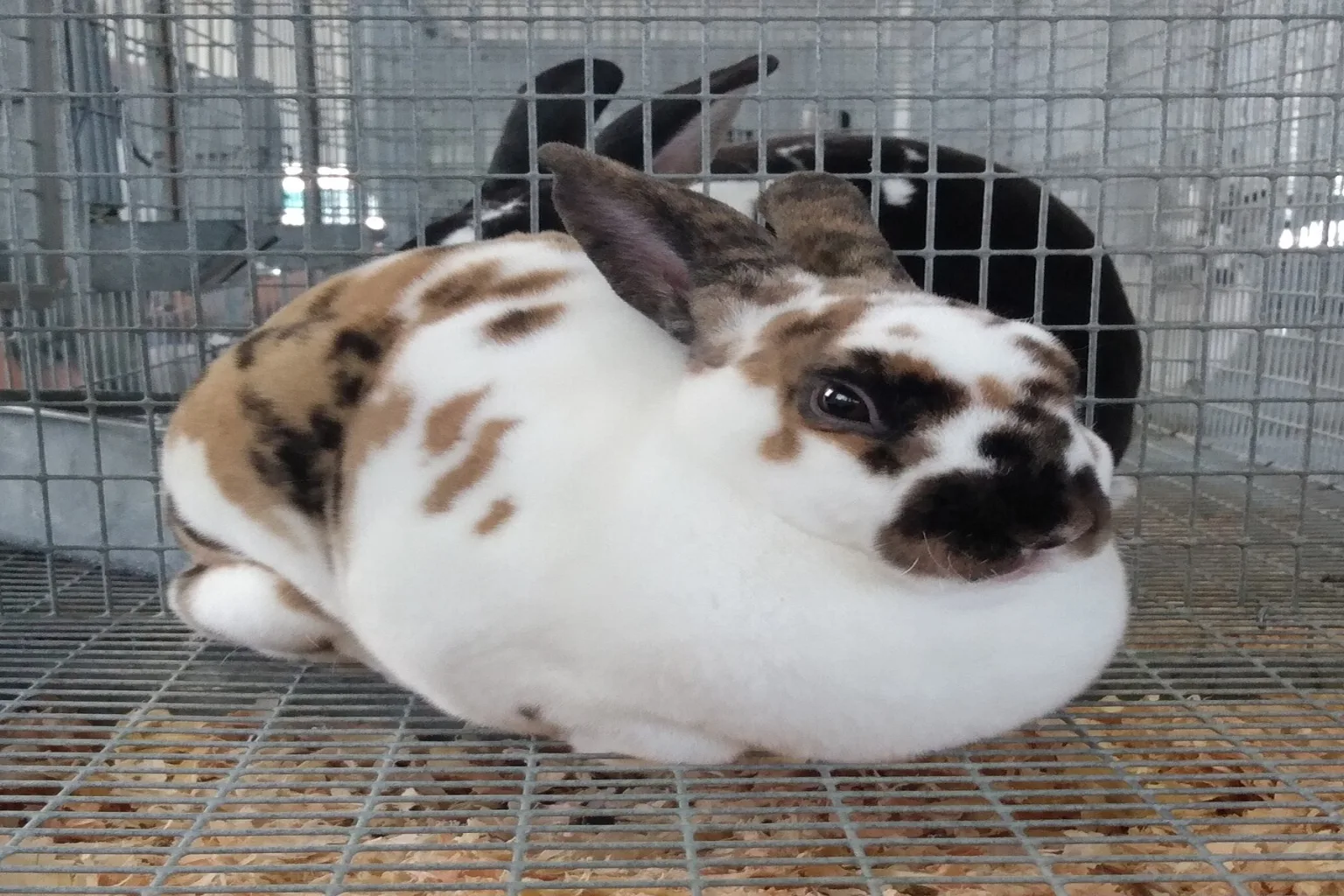
English Spot8, and make an exciting and challenging breed to master.  Maximum weight 8 lbs.
Flemish Giant![]( Believed to have originated in Flanders, Belgium, the Flemish Giant was bred as early as the 16th Century.
Florida White6in 1967 by ARBA Judge Orville Miliken, the Florida White is an ideal show rabbit for the competitive breeder.
French Angora10.5![]( One of four breeds of Angora recognized by the ARBA.
French Lop![]( ##### Believed to have been developed in the 19th century by crossing the English Lop with the Giant Papillon, the ever popular French Lop made its appearance in the US in 1971.
Giant Angora![]( The largest of the four breeds of angora recognized by the ARBA.
Giant Chinchilla16to ever make a million dollars from the sale of rabbit breeding stock.
Harlequin9.5![]( Originating in France and first exhibited in Paris in 1887, the Harlequin rabbit comes in two types: The Japanese and the Magpie.
Havana6.5![]( The “Mink of the Fancy” became an ARBA recognized breed in 1916.
Himalayan4.5![]( Known abroad by various names such as the Russian Rabbit, the Black Nose Rabbit from China, and the Egyptian Smut, the Himalayan is indeed a worldly wonder.
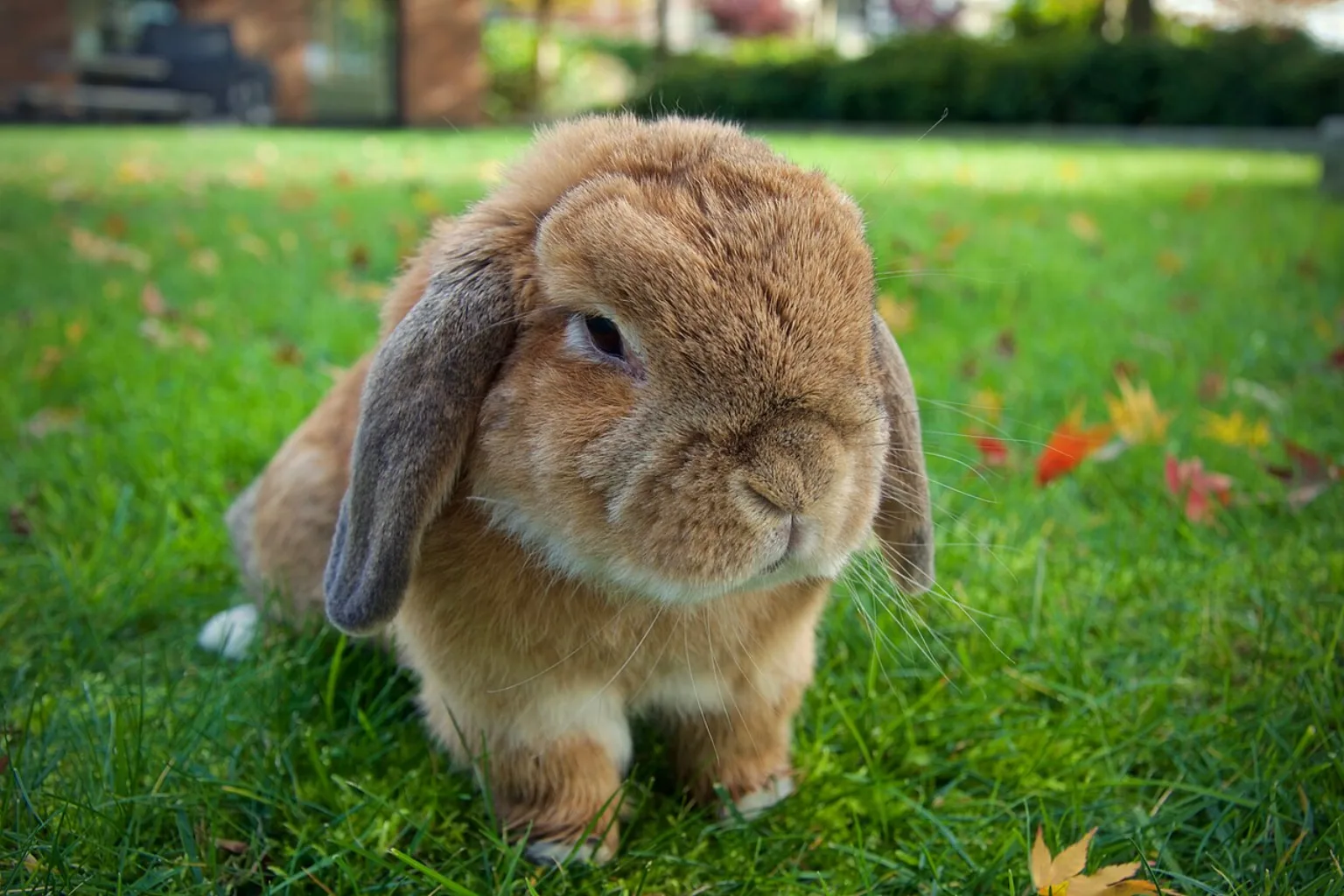
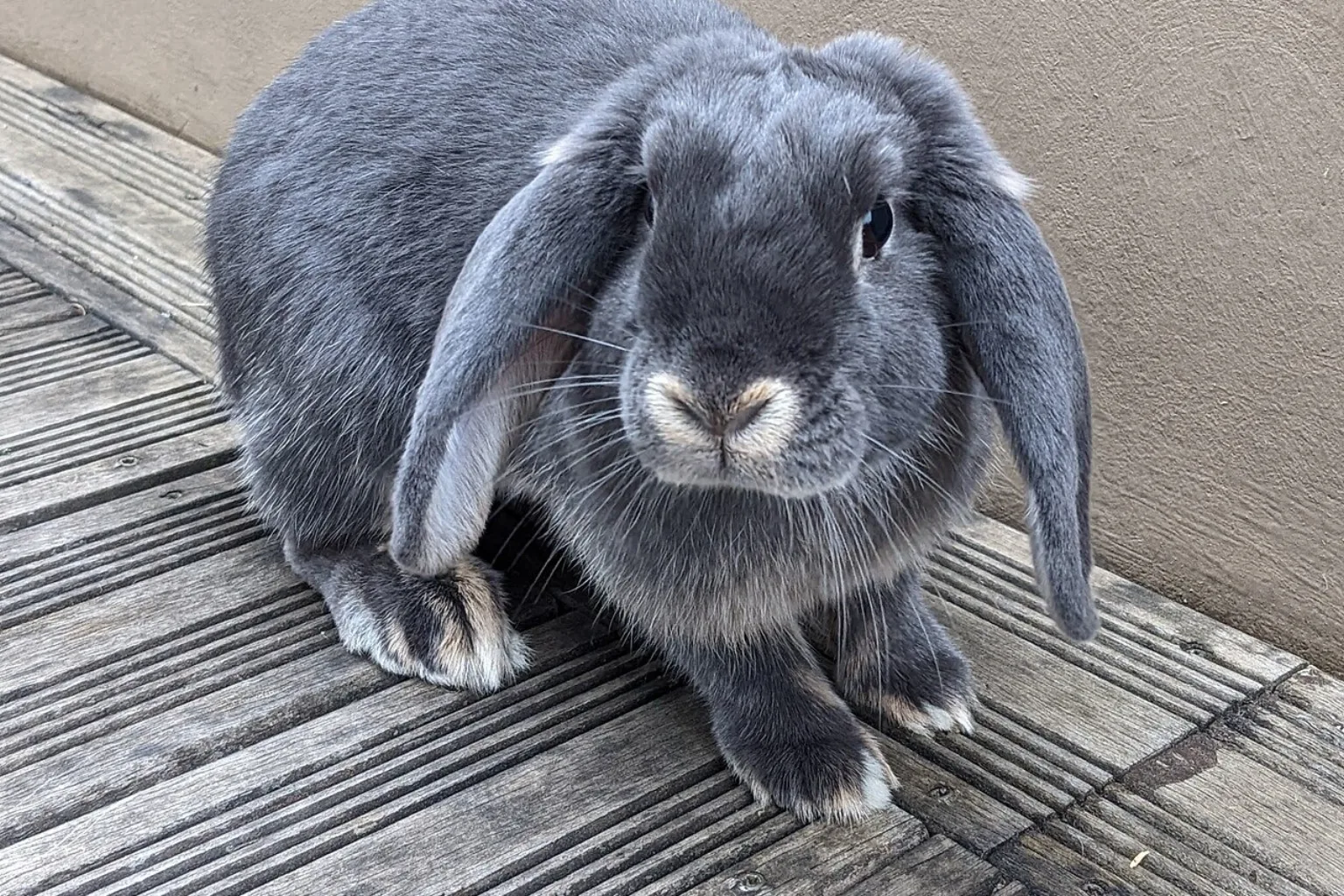
Holland Lop4![]( Originally developed by Adriann de Cock of the Netherlands with the purpose of creating a dwarfed lop-eared rabbit that was smaller and easier to handle than the larger French Lop.
Jersey Wooly3.5![]( This distinctive breed with the mug head and luxurious wooled coat was developed by Bonnie Seeley and recognized as a breed in 1988.
Lilac8![]( Developed in Great Britain in the early 20th century, the Lilac was imported to the United States in 1922.
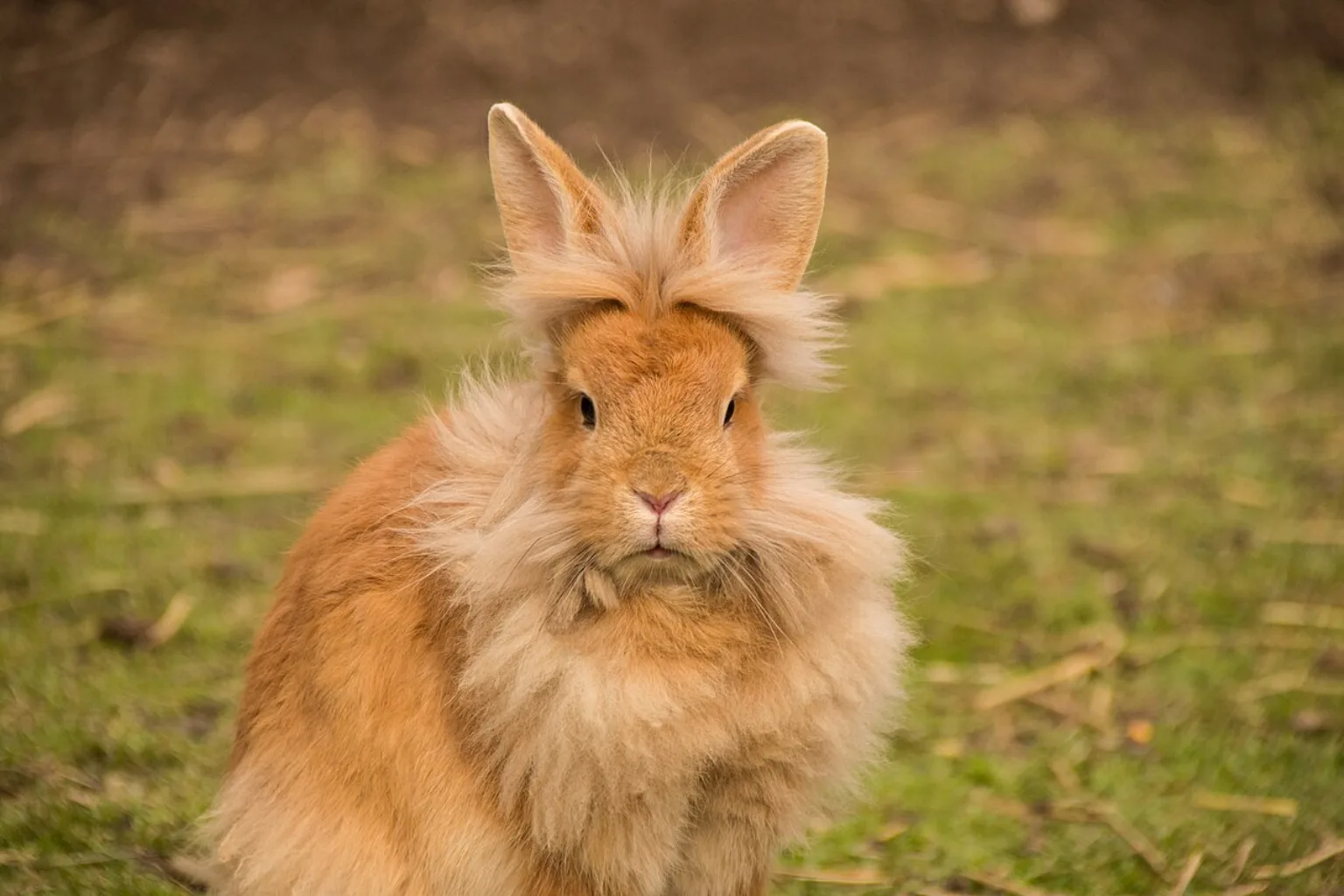
Lionhead3.75![]( The most eye-catching feature of the Lionhead rabbit is the distinctive mane around its head giving it the look of a male lion, as the name implies.  While the Lionhead has only been a recognized breed in the United States since 2014, it is steadily gain
Mini Californian![]( The **Mini Californian**, ARBA’s 53rd recognized rabbit breed, was developed through years of careful planning and selective breeding to capture the classic appeal of the Californian in a more manageable size.
Mini Lop6.5Easily recognized by the softball-sized head and engaging lopped ears, the Mini Lop only gains in popularity each year.
Mini Rex4.5![]( Though a relatively new breed, the Mini Rex is consistently the #1 or #2 top entry at any ARBA Convention.
Mini Satin4![]( The newest addition to “Team Sheen” arrived courtesy of J.
Netherland Dwarf2.5![]( The enduring appeal of the Netherland Dwarf can be attributed to their diminutive size, variety of showable colors, and brachycephalic head.
New Zealand12![]( With more ARBA Best in Show wins than any other breed, the New Zealand rabbit was a game changer for many breeders.
Palomino11, the Palomino comes in two varieties, Golden and Lynx.
Polish3.5![]( The origins of the Polish remain somewhat obscure.
Rex10.5![]( First shown publicly at the Paris International Rabbit Show in 1924, the Rex breed was recognized internationally as a breed to watch.
Rhinelander10![]( Trim and athletic, the Rhinelander is a medium sized arched breed known for its flashy markings of orange and black, or fawn and blue.
Satin11are grouped under one specialty club.     – Maximum weight 11 lbs.
Satin Angora9.5![]( The commercial typed Satin Angora became a recognized breed in 1987.
Silver7![]( One of the oldest recorded breed of domestic rabbit the Silver dates back at least to the 1500s.
Silver Fox12![]( The Silver Fox breed was developed by Walter B.
Silver Marten9.5![]( Originally described as “strange little black rabbits” in the 1920s when they popped up in Chinchilla litters, the Silver Marten was the result of breeders introducing black and tan rabbits into Chinchillas to improve the type.
Standard Chinchilla7.5![]( In the 1920s the Standard Chinchilla took the US by storm.
Tan5.5![]( Almost from the moment Tans were discovered in the late 1800s from a wild colony of rabbits in England, their development and domestication began.
Thrianta6PHP Code Snippets Powered By : XYZScripts.com [Go to Top](

Choosing a breed for your home

Breed pickers over-weight looks and under-weight three practical filters. Work them in this order:

  1. Adult size vs your space. A 3-lb dwarf and a 15-lb giant need different everything: pen size, litter box, carrier, even hay volume. Run your numbers through the Enclosure Size Checker before you fall in love with a breed.
  2. Coat care you will actually do. Angoras and Lionheads need regular grooming; a matted coat is a welfare problem, not a cosmetic one. If you will not brush weekly, choose a Rex-type coat.
  3. Source and socialization. A well-socialized rescue mix often beats a badly bred show line. Check the adoption route first — shelters hold plenty of purebreds and bonded pairs.

Wherever you get your rabbit, plan the first month with the first-30-days checklist, and match your grooming routine to the coat with Rabbit Grooming Basics.