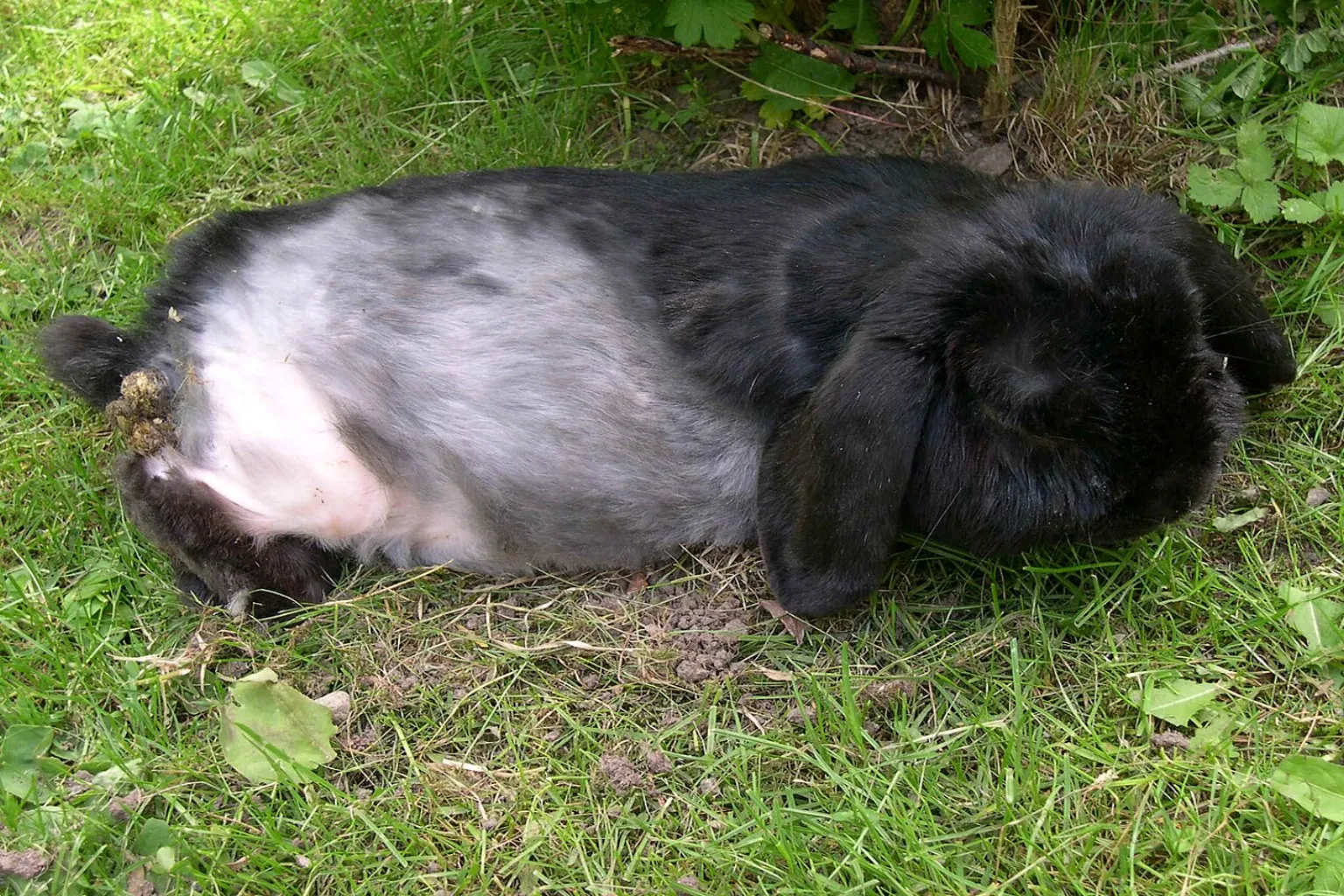
The short answer
Indoor pet rabbits typically live 8 to 12 years, and well-cared-for rabbits reach 14 or more. The House Rabbit Society puts the indoor house-rabbit range at 8–12 years and notes rabbits known to reach 14–16. Wild rabbits and rabbits kept outdoors face predators, weather, and disease with far less protection, which is why outdoor housing shortens average lifespans even when individual rabbits do fine.
The most rigorous pet-population data comes from the Royal Veterinary College's VetCompass programme, which reviewed 6,349 pet rabbits across 107 UK veterinary clinics. That dataset matters because it measures real pet rabbits under real care, not the optimistic ranges you see on breeder websites.
| Lifespan benchmark | Figure | Source |
|---|---|---|
| Average lifespan, UK pet rabbits (vet-registered population) | 4.3 years | RVC VetCompass, 6,349 rabbits |
| Longest recorded survival in that study | 14.4 years | RVC VetCompass |
| Male rabbits, average | 5.2 years | RVC VetCompass |
| Female rabbits, average | 3.7 years | RVC VetCompass |
| Indoor house rabbits, typical range | 8–12 years | House Rabbit Society |
| Outdoor domestic rabbits, typical range | 3–5 years | House Rabbit Society |
| Oldest rabbit on record (Flopsy, died 1983) | 18 years 10 months | Guinness World Records, via House Rabbit Society |
Two numbers in that table deserve attention. First, the gap between the 4.3-year vet-population average and the 8–12-year house-rabbit range is not a contradiction — the VetCompass population includes rabbits whose care ended early, which is exactly what pulls the average down. Second, female rabbits averaged 1.5 fewer years than males, which the study authors link to unspayed females' uterine disease risk (uterine adenocarcinoma incidence rises steeply with age in unspayed does).
What actually changes a rabbit's lifespan
Lifespan in pet rabbits is mostly a husbandry outcome. The factors with real, documented effects:
| Factor | Effect | What to do |
|---|---|---|
| Spay/neuter status | Spayed females avoid uterine adenocarcinoma risk, which rises steeply after age 2–3; neutered males avoid testicular tumors | Discuss timing with a rabbit-savvy vet |
| Indoor vs outdoor housing | Outdoor rabbits face predators, heat, parasites (including flystrike), and reduced observation | House indoors; watch the rabbit daily |
| Diet | Hay-first diets keep gut motility and teeth worn; obesity and muesli-style mixes shorten lives | Unlimited grass hay, measured pellets — plan with the Rabbit Diet Planner |
| Early illness detection | Rabbits hide disease; the commonest recorded deaths (flystrike 10.9%, anorexia 4.9%, collapse 4.9%, gut stasis 4.3% in VetCompass) are all fast-moving | Run the daily checks in Build a Daily Rabbit Care Routine |
| Dental health | Overgrown molars stop eating; dental disease is chronic and recurring | Yearly vet checks; unlimited hay chews |
| Companionship | Bonded rabbits groom, alert, and stabilize each other | Consider a bonded pair — see Adopting Two Rabbits |
The Merck Veterinary Manual's routine-care table is a good yearly baseline: daily hay/water/greens and exercise, weekly brushing and full cleans, and an annual vet checkup — plus dental awareness, because rabbit teeth grow continuously.
Lifespan by breed and size
Size trends are real but loose: small breeds average longer than giant breeds, in the same direction as dogs. A Netherland Dwarf or Mini Rex commonly reaches its early teens with good care; a Flemish Giant's typical range is closer to 5–8 years. The reliable pattern is care quality inside the breed range — the VetCompass study recorded survival up to 14.4 years in a mixed pet population, which is beyond most published breed guides. For breed-specific profiles, see Rabbit Breeds A–Z.
How to tell a rabbit's age
For adopted rabbits, age is estimated rather than known. Vets read a combination of signals — none exact alone:
- Teeth and bite surface. Younger rabbits show sharper incisor edges; older teeth wear broader and can develop points or spurs.
- Coat quality. Adolescents molt into adult coats; senior coats thin and lose the dense undercoat sheen.
- Activity and posture. Seniors move stiffer, jump less, and often prefer low-entry litter boxes.
- Body condition. Muscle over the spine and hindquarters reduces with age; obesity in middle-aged rabbits is more common than thinness until late-life decline.
- Cataracts and lens changes. Cloudy eyes appear in senior rabbits and help bracket age past roughly 6–8 years.
Your rabbit-savvy vet can bracket an adopted rabbit's age within a year or two at a wellness exam — one more reason the yearly visit matters. For the stage-by-stage picture, see Rabbit Vet Care Basics, and when appetite or droppings change at any age, treat it as urgent: the not-eating guide.
Related resources
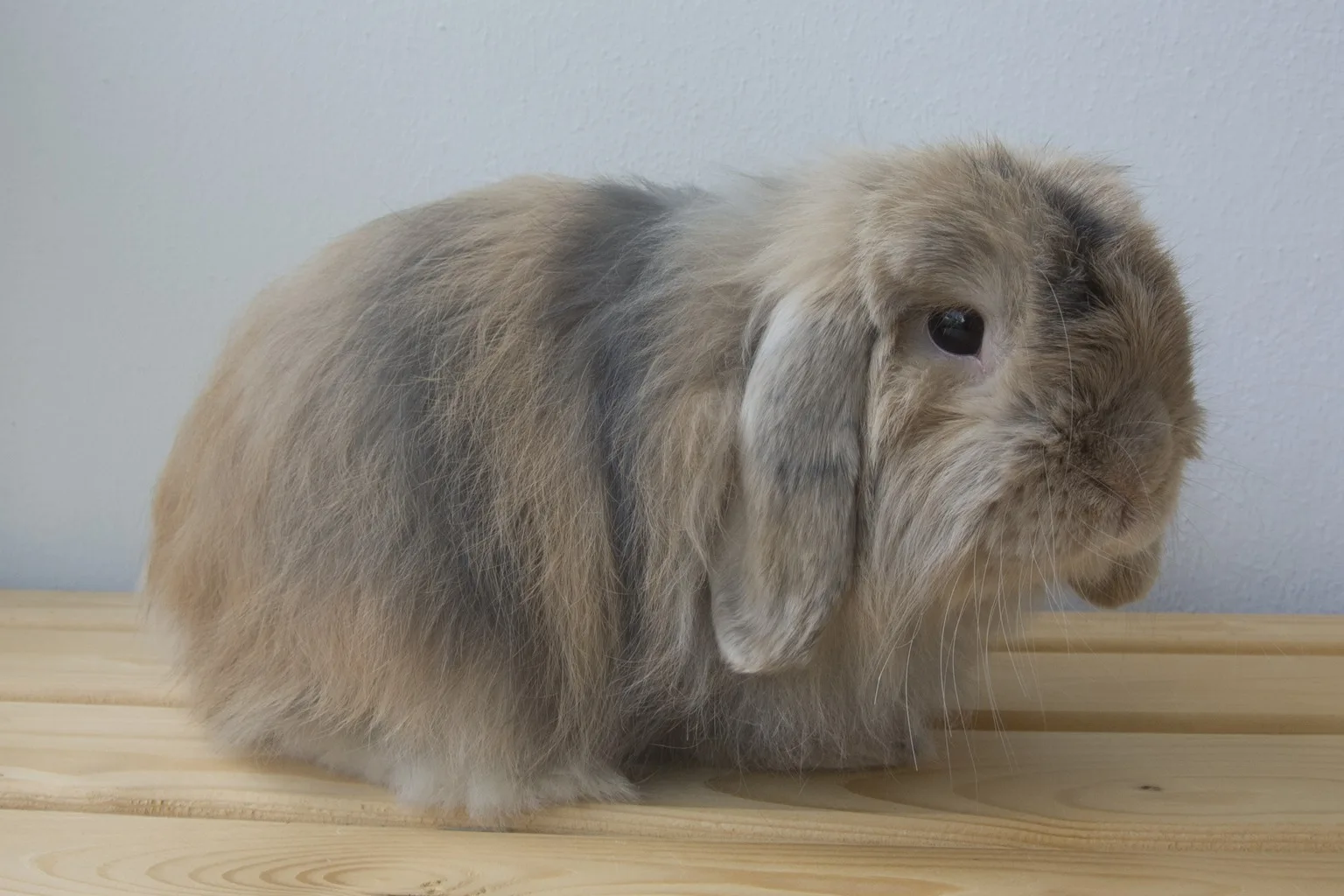
Health & Safety
Mini Lop Rabbit: Breed Profile, Care, and the Truth About the Ears
Mini Lops are 6.5 lb lop-eared rabbits — and dropped ears carry a documented ear and dental health cost. Breed facts, daily care, and yearly checks.
Health & Safety
Rabbit Vet Care Basics: What New Owners Should Plan Before Trouble
Understand rabbit-savvy vet selection, wellness checks, emergency signs, carrier prep, and record keeping.

Health & Safety
GI Stasis in Rabbits: Early Signs, What to Do, and Emergency Care
The early signs owners miss, the 12-hour emergency rule, what to do first, and the daily habits that prevent GI stasis — vet and study sourced.
Health & Safety
How to Prepare for a Rabbit Vet Visit
Make carrier practice, records, symptom notes, and travel logistics less stressful before the appointment.