The short answer
The Mini Lop is a stocky, medium-sized lop-eared rabbit with a maximum weight of 6.5 lb — and the dropped ears that make it popular are also the reason it needs more veterinary attention than a rabbit with upright ears. That is not a scare story; it is what the published research says, and it is the single most useful thing to know before you bring one home.
- Recognition: the Mini Lop became an ARBA breed in 1980, developed from the smaller German lop bloodlines brought to the United States in the 1970s.
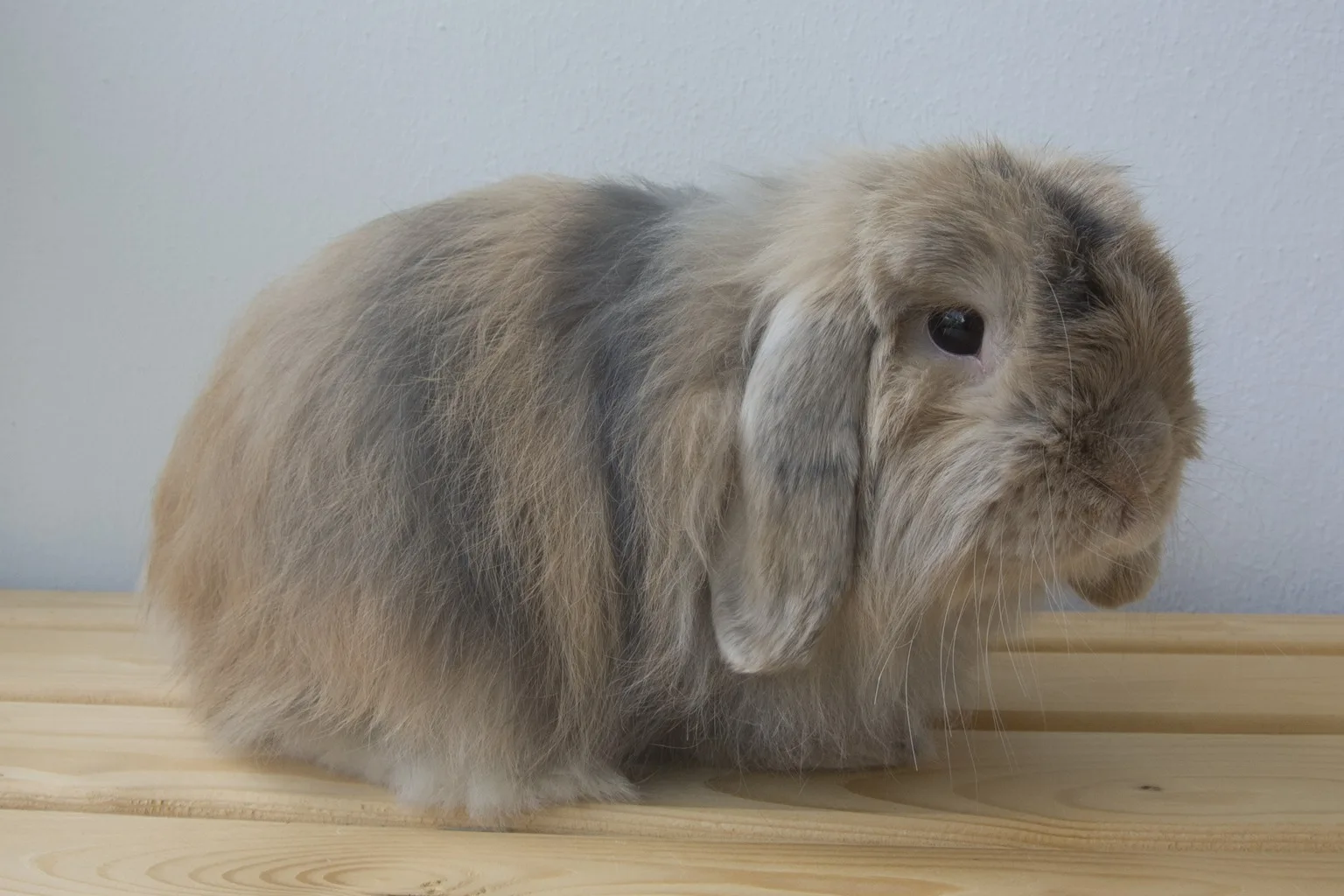
- Size: ARBA maximum weight 6.5 lb, with a compact, heavily muscled body and a rounded, broad head that breeders describe as softball-sized.
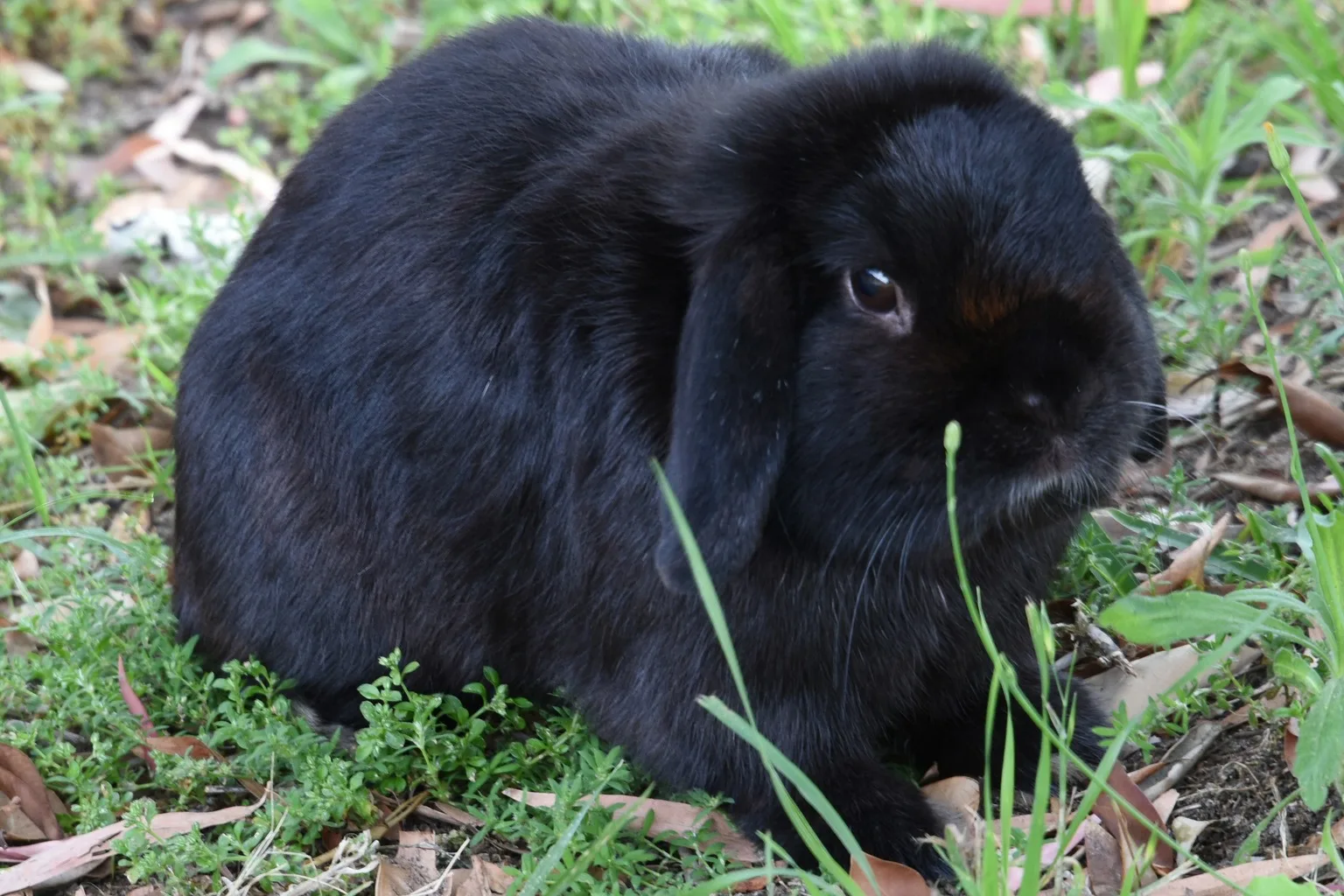
- Ears: thick, rounded and hanging beside the head with the opening facing inward — the conformation that defines every lop breed.
- Health: lop-eared rabbits are significantly more likely to show hidden ear disease and dental problems, so routine otoscopic ear checks and yearly dental exams are part of owning one, not optional extras.
- Temperament: friendly, food-motivated and sturdy — one of the most popular pet rabbit breeds for good reason.
The rest of this guide covers the breed, the care, and the specific checks that lop owners should build into a normal month.
What a Mini Lop actually is
Start with the name, because it is genuinely confusing. The ARBA's breed page explains that the Mini Lop was brought to the United States in the 1970s under the German name Klein Widder, and became an official ARBA breed in 1980 with a maximum weight of 6.5 lb. In the German show system the Klein Widder was a small lop developed from the larger German lops and Chinchilla bloodlines.
What matters for a buyer is that "Mini Lop" is not one international standard. Different countries register small lop breeds under different names, weights and ear-length rules, and the smaller British-registry lop is a separate breed with its own weight ceiling. If you are comparing adverts, hatches or club standards across countries, check which registry the breeder is actually working to before you assume the numbers line up.
| Breed | ARBA maximum weight | How to tell them apart |
|---|---|---|
| Mini Lop | 6.5 lb | The heaviest of the small lops: compact, blocky, wide shoulders, rounded head |
| Holland Lop | 4 lb | Half the weight, shorter ears, finer bone, enormous round head for its size |
| American Fuzzy Lop | 4 lb | Same shape as the Holland Lop but with a long wooled coat that needs real grooming |
A true Mini Lop is not a big Holland Lop. If you are shown a 4 lb rabbit with short ears and told it is a Mini Lop, you are looking at a Holland Lop or a cross — useful to know, because the health profile and the coat care differ.
Size and shape
Adults sit under the 6.5 lb ARBA ceiling, usually closer to 5–6 lb, and they reach it slowly: lops grow through their first year and are still filling out at eight months. The body is short, deep and heavy for its length, with thick straight legs and a dense, medium-length rollback coat that needs less work than a wool breed but more than a Rex.
Two practical consequences come with that shape. The first is that a Mini Lop is a real handful on a slippery floor: the thick-set body cushions the landing badly, and this is a breed where everyday traction matters. The second is that the rounded head means the front of the face is compressed, which is part of why the dental findings below are not specific to the ears alone.
The ear: what dropped conformation costs
Every lop breed is defined by a shape that changes the anatomy of the ear canal. In 2025 a team at the Royal Veterinary College published the largest systematic assessment of the question to date: they examined 435 pedigree rabbits across 49 breeds with an otoscope at British Rabbit Council shows and studs, and found that lop-eared rabbits were more likely to show nine of the eleven ear abnormalities they assessed.
The list is specific and worth reading as a checklist: narrowing of the ear canal, abnormal colour, flaky and wet discharge, crusting inside the small pocket of the ear called the diverticulum, skin changes on the ear flap, and a behavioural reaction to having the ear examined — which the authors read as a pain response. Heavier rabbits, and those with flatter faces, showed more of some problems.
An earlier rescue-population study in Veterinary Record found the same pattern: comparing 15 lop-eared with 15 upright-eared rabbits, the lops showed significantly more ear canal narrowing, more ear wax and redness, and more frequent pain responses on examination, with large effect sizes.
| Finding | Study | Action it justifies |
|---|---|---|
| Lop-eared rabbits more likely to show 9 of 11 ear abnormalities, including canal narrowing, discharge, crusting and pain responses | RVC, 435 rabbits, 49 breeds (2025) | Annual otoscopic ear examination, and a vet visit for any head tilt, discharge or ear scratching |
| More ear canal narrowing, wax, redness and pain on examination versus upright-eared rabbits | Rescue-population study, Veterinary Record | Home checks monthly: smell, discharge, crusting, head shaking |
| Heavier rabbits showed more redness, narrowing and skin changes | RVC (2025) | Keep a Mini Lop lean: weigh monthly, feed hay-first, measure pellets |
| Breeding advice: avoid breeding from rabbits with canal redness, crusting, bleeding or early narrowing | RVC (2025) | Ask a breeder what they do about ear health before you buy |
None of this means a Mini Lop is a sickly pet. It means the ear canal is the part of this breed that needs looking at, and that most of the damage is invisible from the outside until a vet goes looking. What you should not do is improvise treatment: cotton buds pushed into the canal, or over-the-counter ear drops, can make an inflamed canal worse.
Teeth: the second finding
The same rescue study did not stop at ears. Comparing lop-eared and upright-eared rabbits, the researchers found significantly more incisor pathology, molar overgrowth, molar sharpness and molar spurs in the lop group, along with more rabbits with a history of veterinary dental treatment. Age was not the explanation — the two groups did not differ significantly in age.
Rabbit teeth grow continuously and are worn down by chewing, which is why dental disease in rabbits is usually a chewing problem before it is a tooth problem. Grass hay is the food that does that work. A diet built on hay, with pellets measured and greens as the fresh portion, keeps the teeth wearing the way the jaw evolved to wear them — and it is also the diet that keeps the gut moving.
The owner-visible signs of dental trouble are worth memorising because they arrive late: dropped food, wet chin, slobbering, a change in which foods get eaten, and eventually weight loss. By the time a rabbit is dropping food, the problem has usually been developing for weeks. Our hay guide covers how to choose hay a rabbit will actually eat, and the GI stasis guide covers the gut emergency that dental pain so often triggers.
Temperament and daily life
The Mini Lop's reputation is deserved: friendly, curious, sturdy, and enthusiastic about food. That food motivation is a training asset — it makes target training and carrier practice straightforward — and a diet risk, because a breed that will eat anything is a breed that will eat too many treats if the treats arrive whenever it asks.
Like every rabbit, a Mini Lop is a social animal that does best indoors, with company, hay, space to run, and a routine it can predict. It is not a starter pet for a child: rabbits are physically fragile, they cannot cry out when they are frightened, and the House Rabbit Society is blunt that an adult should be the primary caretaker. Our bonding guide covers how to build trust without forcing affection.
Housing, diet, and enrichment
The Mini Lop's care is ordinary rabbit care with three lop-specific emphases: solid floors, hay-first diet, and ears on the schedule.
- Space and flooring: a pen rather than a cage, with rugs or mats over hard floors. Slippery floors and a heavy body are a bad combination for the hocks and joints, and wire floors are the classic cause of sore hocks. The enclosure size checker will tell you whether your planned setup is reasonable before you buy.
- Diet: unlimited grass hay, a measured pellet ration, and a fresh portion scaled to body weight — a Mini Lop eats roughly one cup of packed greens per two pounds of rabbit, split across the day. The diet planner does the arithmetic for your rabbit's weight.
- Enrichment: foraging games, tunnels, dig boxes and chew-safe materials. Food puzzles are unusually effective for this breed, as long as they do not replace hay eating. See the enrichment guide for homemade options.
- Vet baseline: find a rabbit-savvy vet before you need one, and book an annual check that includes an otoscopic ear examination and a look at the front teeth and molars. The vet visit guide covers what to bring and what to ask.
Choosing a Mini Lop responsibly
The University of Edinburgh's veterinary research group notes the higher incidence of ear disease in lop-eared rabbits is "thought to be due to their pinna anatomy", and the RVC's breeding advice is to avoid breeding from rabbits showing ear canal redness, crusting, bleeding or early narrowing. That is the honest context: you are choosing a conformation that predisposes the rabbit to a condition, so the responsible questions are about screening, not colour.
- Ask what the breeder does about ears. "We have never had a problem" is a worse answer than "the vet checks ear canals before we breed".
- Ask about teeth. Dental history in the parents is the closest thing to a warning you will get.
- Look at the parents' condition, not just the kits'. Weight, coat and ear cleanliness tell you more than pedigree paperwork.
- Consider a rescue lop. Lop rabbits are common in shelters precisely because they are popular; an adult rabbit shows you its health and temperament immediately.
- Budget for the checks. An annual examination with ear and dental assessment is part of the cost of a lop, and our cost breakdown shows where that sits in a yearly budget.
References and further reading
- American Rabbit Breeders Association: Mini Lop — the Klein Widder origin, 1980 recognition and the 6.5 lb maximum weight.
- Royal Veterinary College: lop-eared rabbits confirmed at highest risk of hidden ear disease — the 435-rabbit, 49-breed otoscopic study, the nine-of-eleven finding, and the breeding recommendations.
- Johnson & Burn, lop-eared rabbits have more aural and dental problems than erect-eared rabbits — published in Veterinary Record; the source for the ear canal, cerumen, erythema, incisor and molar-spur findings.
- House Rabbit Society: how to care for a pet rabbit — housing, exercise, handling and the point that an adult should be a rabbit's primary caretaker.
- American Mini Lop Rabbit Club — the breed club, for show standard detail and breeder listings.
Related resources
Health & Safety
How Long Do Rabbits Live? Lifespan Data, Factors, and Breed Effects
Pet rabbit lifespan explained with published data: indoor averages, the VetCompass study, what shortens lives, and how breed size shifts the curve.
Health & Safety
Rabbit Vet Care Basics: What New Owners Should Plan Before Trouble
Understand rabbit-savvy vet selection, wellness checks, emergency signs, carrier prep, and record keeping.

Health & Safety
GI Stasis in Rabbits: Early Signs, What to Do, and Emergency Care
The early signs owners miss, the 12-hour emergency rule, what to do first, and the daily habits that prevent GI stasis — vet and study sourced.
Health & Safety
How to Prepare for a Rabbit Vet Visit
Make carrier practice, records, symptom notes, and travel logistics less stressful before the appointment.