Hay quality week
Refresh hay storage, compare where hay gets eaten fastest, and remove stale piles before they become litter.
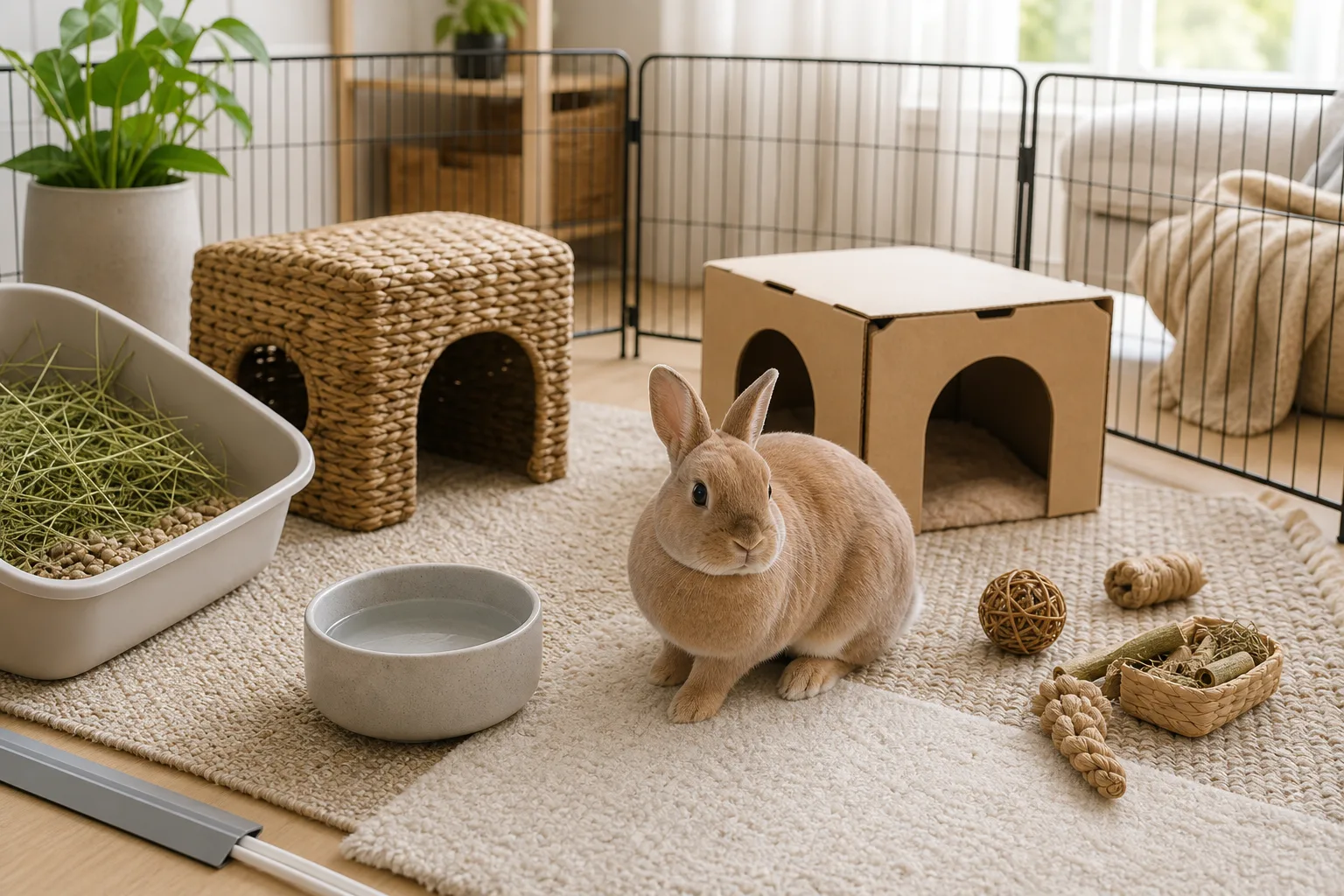
52-week care loop
A repeatable year of small weekly focus areas. Use it for Facebook posts, group discussions, or your own reminder rhythm without collecting email or account data.
Refresh hay storage, compare where hay gets eaten fastest, and remove stale piles before they become litter.
Watch movement across every main route and add stable rugs where feet slide.
Test whether box size, hay placement, or a second box improves habits.
Practice five quiet floor-level sessions with no forced picking up.
Update emergency contacts, carrier setup, and a short health baseline note.
Serve one measured meal as a hay-based puzzle instead of a bowl.
Inspect cords, plants, furniture gaps, and corners from floor height.
Check coat, nails, feet, and molt lines without turning it into a stressful session.
Pick one behavior and note context, time, body posture, and what happened before it.
Choose one familiar green and one new candidate to research before offering.
Review temperature, sun patches, drafts, water access, and resting spots.
Deep clean one zone while preserving enough familiar scent to keep the space secure.
Check hay, litter, greens, pellets, enrichment, and vet savings before you run low.
Refresh hay storage, compare where hay gets eaten fastest, and remove stale piles before they become litter.
Watch movement across every main route and add stable rugs where feet slide.
Test whether box size, hay placement, or a second box improves habits.
Practice five quiet floor-level sessions with no forced picking up.
Update emergency contacts, carrier setup, and a short health baseline note.
Serve one measured meal as a hay-based puzzle instead of a bowl.
Inspect cords, plants, furniture gaps, and corners from floor height.
Check coat, nails, feet, and molt lines without turning it into a stressful session.
Pick one behavior and note context, time, body posture, and what happened before it.
Choose one familiar green and one new candidate to research before offering.
Review temperature, sun patches, drafts, water access, and resting spots.
Deep clean one zone while preserving enough familiar scent to keep the space secure.
Check hay, litter, greens, pellets, enrichment, and vet savings before you run low.
Refresh hay storage, compare where hay gets eaten fastest, and remove stale piles before they become litter.
Watch movement across every main route and add stable rugs where feet slide.
Test whether box size, hay placement, or a second box improves habits.
Practice five quiet floor-level sessions with no forced picking up.
Update emergency contacts, carrier setup, and a short health baseline note.
Serve one measured meal as a hay-based puzzle instead of a bowl.
Inspect cords, plants, furniture gaps, and corners from floor height.
Check coat, nails, feet, and molt lines without turning it into a stressful session.
Pick one behavior and note context, time, body posture, and what happened before it.
Choose one familiar green and one new candidate to research before offering.
Review temperature, sun patches, drafts, water access, and resting spots.
Deep clean one zone while preserving enough familiar scent to keep the space secure.
Check hay, litter, greens, pellets, enrichment, and vet savings before you run low.
Refresh hay storage, compare where hay gets eaten fastest, and remove stale piles before they become litter.
Watch movement across every main route and add stable rugs where feet slide.
Test whether box size, hay placement, or a second box improves habits.
Practice five quiet floor-level sessions with no forced picking up.
Update emergency contacts, carrier setup, and a short health baseline note.
Serve one measured meal as a hay-based puzzle instead of a bowl.
Inspect cords, plants, furniture gaps, and corners from floor height.
Check coat, nails, feet, and molt lines without turning it into a stressful session.
Pick one behavior and note context, time, body posture, and what happened before it.
Choose one familiar green and one new candidate to research before offering.
Review temperature, sun patches, drafts, water access, and resting spots.
Deep clean one zone while preserving enough familiar scent to keep the space secure.
Check hay, litter, greens, pellets, enrichment, and vet savings before you run low.